Inspiration · Tenerife
Tenerife in Winter: Why the Canaries Own UK Winter Sun
14 September 2026 · 4 min read · by the BritEscapes team
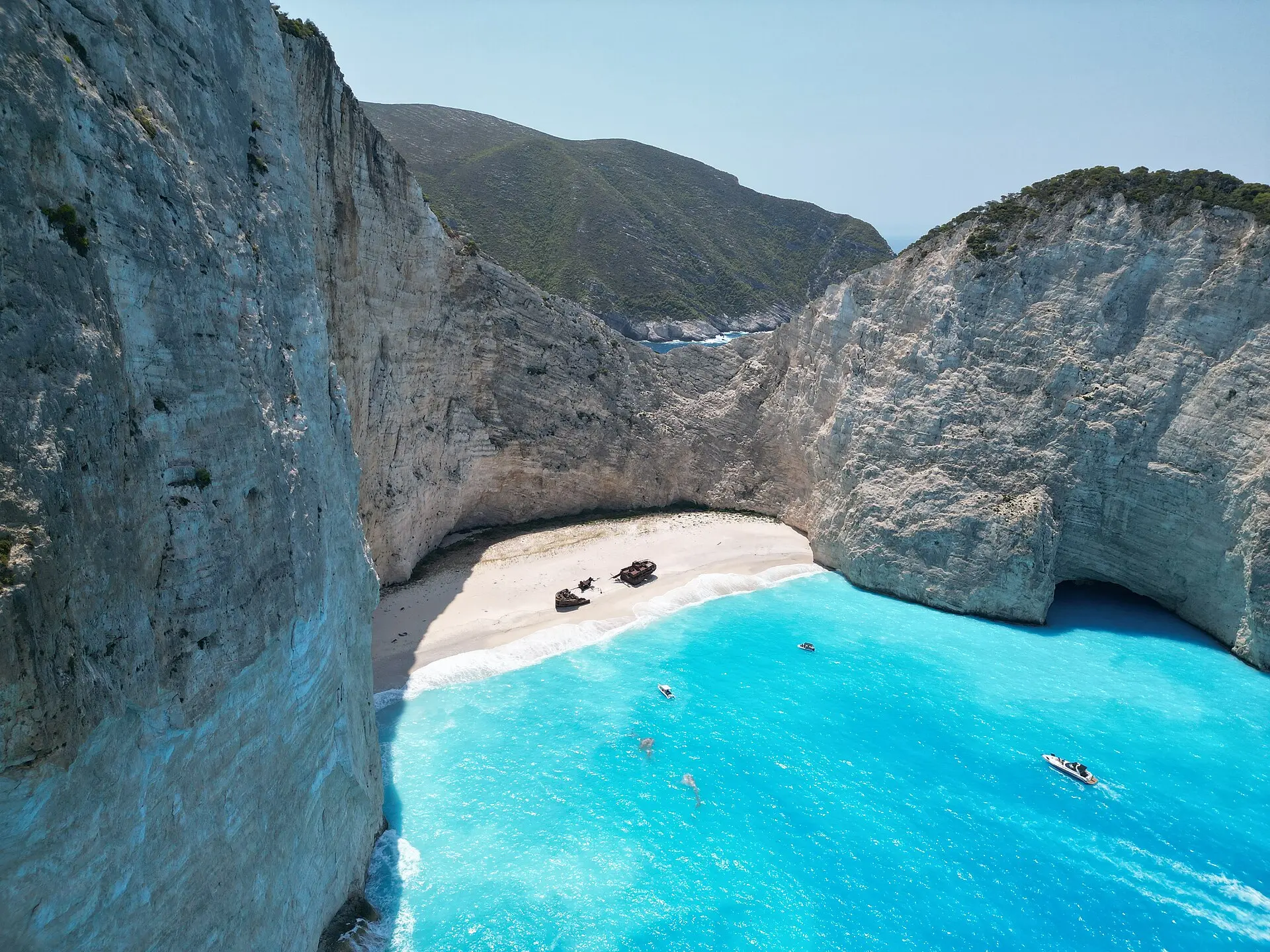
There is a particular kind of British January morning — dark at eight, drizzle by nine — that has a four-and-a-half-hour solution. The Canary Islands sit off the coast of Africa on the same latitude as the Sahara, and while the rest of Europe's beach resorts shut down for winter, the Canaries just carry on. Tenerife, the biggest of them, is where we would send almost anyone chasing guaranteed winter warmth without a long-haul flight.
The weather, honestly stated
Expect daytime temperatures around 20 to 24 degrees through the depths of winter, sunshine most days, and sea that stays swimmable — brisk on entry, fine once you are in. It is not August-in-Greece heat, and evenings want a light layer. But it is reliably t-shirt weather when the UK is scraping windscreens, and no other destination this close can say that. The Costa del Sol is pleasant in winter; the Canaries are warm. The difference matters when you have booked a week around a pool.
One island, several holidays
Tenerife's south — Playa de las Américas, Los Cristianos, Costa Adeje — is where the winter sun machine runs: the sunniest corner of the island, wall-to-wall hotels from cheerful to genuinely luxurious, and everything set up for British visitors without you having to try. Costa Adeje in particular has quietly gone upmarket, and the all-inclusive options there are some of the best-run in Spain.
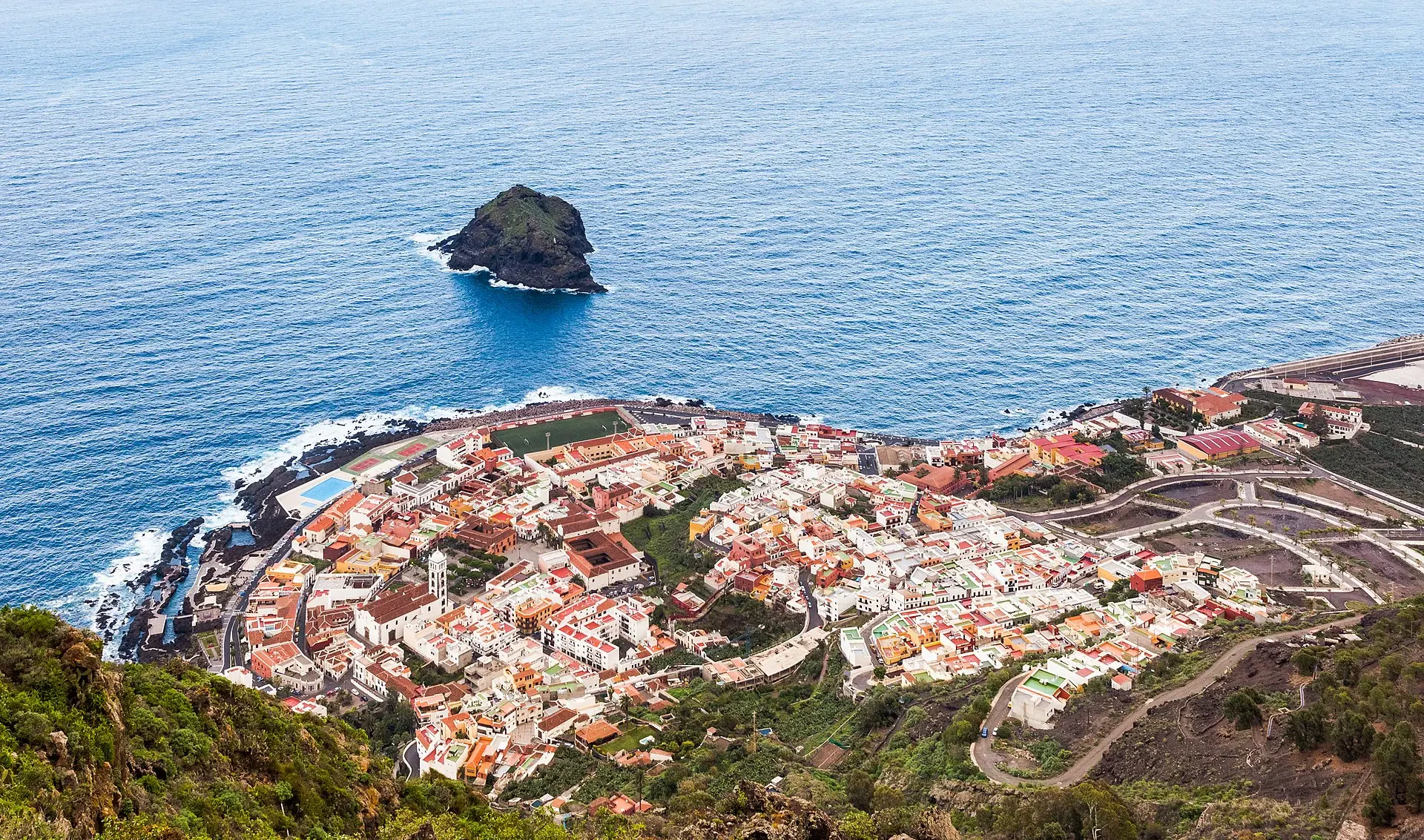
The north is a different island: greener, cloudier, more Spanish. Puerto de la Cruz has old-town streets, botanical gardens and a faded-grand seaside charm that suits longer, slower stays. And in the middle rises Mount Teide — Spain's highest peak — where you can take a cable car up a volcano in the morning and be back on a sun lounger by mid-afternoon. There is often snow on the summit while people swim below, which never stops being a good photograph. Our guide to things to do in Tenerife covers Teide, the whale-watching boats and the water parks properly.
Why winter is arguably the best time
Winter is Tenerife's high season, and the island is built for it: everything open, entertainment running, restaurants full of people who have escaped a dozen different northern winters. Prices reflect that popularity — Christmas and February half term are the peaks — but January and early December offer the same weather with less competition. Compare it with what the same money gets you anywhere else warm in January and the Canaries usually win before you have factored in the short flight.
What a winter day there actually feels like
Set expectations right and the island over-delivers. Mornings start fresh — coffee-on-the-balcony weather rather than dive-in-the-pool weather — and warm to proper sunbathing heat by late morning. The pool is the honest test: unheated ones are bracing in January, so if daily swims matter, check for heated pools before booking; the sea, oddly, is often the warmer option. Evenings drop to light-jacket territory, which suits the promenades and beachfront restaurants nicely. Pack, in short, for a warm English June rather than an August scorcher: shorts and sun cream for the day, a layer for dinner, and something windproof if Teide is on the list — the summit area is a genuine 2,000 metres higher and colder than the coast, and people do the cable car in beachwear exactly once. The occasional cloudy or breezy day happens even here; it passes, usually by lunch.
The practical bit
Flights run from almost every UK airport year-round, taking a little over four hours, and because the Canaries sit outside the EU's VAT area, the airport shopping is genuinely cheaper rather than theatrically so. The island uses the euro and keeps UK time exactly — no time difference means no jet lag and no confused toddlers, a bigger deal for families than it sounds. Browse hotels in Tenerife across the resorts, or start with the wider Tenerife guide if you are still choosing a base — and if you are weighing Tenerife against other options, our winter sun guide puts the alternatives side by side.
Our honest take: for a first winter-sun trip, stay south for the sunshine statistics, take one day north for the greenery and one up the volcano, and book the February school-holiday weeks early. The secret is long out.