
Good Question
All-Inclusive: When It Is Worth It and When It Is Not
18 September 2026 · 4 min read · by the BritEscapes team
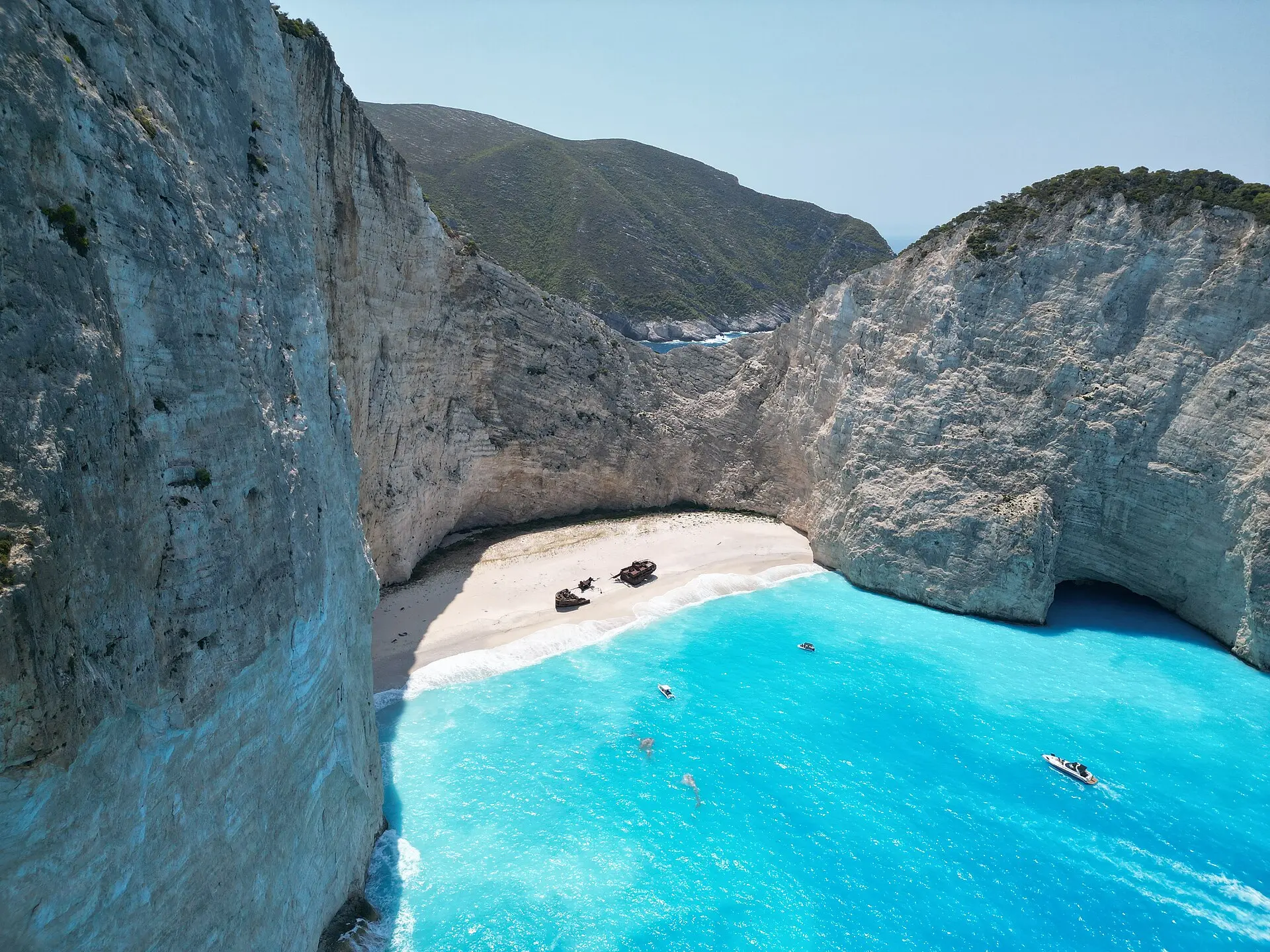
All-inclusive divides people like few things in travel. To fans it is the holiday where money stops existing on day one; to sceptics it is paying up front for buffet dinners you would not have chosen. Having done it both ways many times, our view is that all-inclusive is neither good nor bad — it is right for some trips and wrong for others, and the trick is knowing which trip you are booking.
When all-inclusive wins
With children, almost always. Kids consume a steady stream of drinks, snacks, ice creams and second lunches, and paying for that stream item by item is both expensive and wearing. All-inclusive turns the constant "can I have..." into "yes", which is worth more to the tone of a family holiday than the money. Add kids' clubs and evening entertainment — standard at family all-inclusives — and parents get actual rest.
It also wins where drinks and eating out are expensive, where the hotel is the destination, and where you plan to stay put. A week of doing very little around an excellent pool is a legitimate holiday, and all-inclusive is that holiday perfected. Turkey deserves special mention: the big resort hotels along the Antalya coast run all-inclusive at a scale and quality that surprises first-timers — multiple restaurants, water slides, standards that outdo similarly priced hotels elsewhere in the Med.
When it loses
All-inclusive fails where the destination is the point. Book it in a Greek harbour town or anywhere with food culture worth exploring, and every taverna you walk past is a small tragedy — you have already paid to eat in the buffet. If you are the couple who plans holidays around restaurants, or you want to explore rather than settle in, half board or bed-and-breakfast keeps your evenings free without giving up all convenience. On Crete and the other Greek islands we usually steer people this way unless the hotel itself is the draw.
It also fails at the bottom of the market. A cheap all-inclusive can mean limited buffets, drinks from unmarked bottles and queues at a single bar. If the price looks too good, read recent reviews about the food specifically — that is where corners get cut first.
How to judge a deal
Do honest arithmetic. Price the same hotel half board, then estimate what your family genuinely spends on lunches, drinks and snacks in a day — not what you aspire to spend. If the gap is small, take the all-inclusive; if it is large and you are the sort to wander out for dinner anyway, do not. Check what is actually included: premium restaurants, branded drinks and room service often are not. And check the location trap — all-inclusive in a remote spot means captive-audience pricing for every taxi and trip, which quietly erodes the savings.
The small print people miss
A few recurring surprises are worth knowing before you go rather than at the pool bar. All-inclusive usually runs to a clock — drinks service commonly stops somewhere in the late evening, and anything after that goes on the room. The à-la-carte restaurants that look so good in the photos often need booking on arrival day and may be limited to once or twice per stay, so reserve them at check-in, not on day four. Snacks between meals can mean a generous spread or a sad hour of chips, and this varies more between hotels than the star rating suggests. Dress codes at dinner — long trousers for men is the classic — appear in the small print and are actually enforced at better hotels. None of these are reasons to avoid all-inclusive; they are the questions to put to recent reviews, which answer them far more honestly than the hotel's own page will.
Our bottom line
Family beach week where the pool is the plan: all-inclusive, at a well-reviewed hotel, ideally in Turkey or one of the bigger Spanish and Canarian resorts — our all-inclusive guide lists the ones that do it properly. Couples, foodies, explorers, island-hoppers: pay for less up front and spend your evenings where the locals eat. And whichever way you go, remember the package question matters too — an all-inclusive sold as a flight-inclusive package carries ATOL protection, one more reason the traditional bucket-and-spade booking still makes sense; see our package vs DIY guide for the rest of that argument.
The honest test is always the same: price the all-inclusive package, then price the same week room-only — our Tenerife hotels guide shows how — and see whether the difference buys more than the wristband would.